Warehouse Barcode Labels & Tags: The Complete Guide to Smarter Inventory and Storage Solutions
A modern warehouse thrives on precision. Every product, rack, and pallet needs to be tracked and located without delay. Warehouse barcode labels and custom warehouse labels keep that process sharp, making organization seamless from receiving to shipping. This guide explains how the right warehouse label system can simplify operations, improve accuracy, and maximize workflow efficiency.
🎧 Listen to this episode of the DSI Labels Podcast:
What Are Warehouse Barcode Labels and Why Are They Essential?
Every warehouse depends on a clear, scannable barcode system to track goods efficiently. These labels store sequential information that links directly to a warehouse management system (WMS). Barcode labels allow fast, reliable scanning that reduces mistakes, improves inventory accuracy, and keeps teams moving.
In a busy warehouse environment, durable label materials make a difference. High-quality adhesives, polyester, or anodized aluminum withstand dust, temperature swings, and heavy forklift traffic. Using durable materials helps minimize the need for frequent replacements.
What Are the Common Types of Warehouse Labels?
Different areas of a warehouse demand specialized label solutions.
Rack Labels
Rack labels mark storage bays and levels, making it easy to identify zones quickly.
Floor Labels
Floor labels highlight bulk storage or traffic areas, often using adhesive floor labels or magnetic labels that can handle tough conditions.
Inventory Labels
Inventory labels are applied directly to bins or totes for fast scanning.
These warehouse rack labels help workers locate items quickly and prevent misplaced inventory. Some companies also use retro-reflective or black background styles to enhance scanner readability.
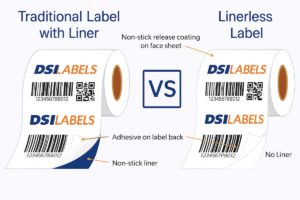
If your facility also uses Direct Thermal Labels or Linerless Labels for inventory tracking, integrating them with your warehouse barcode system can ensure smooth, consistent scanning across all label types.
How Do Warehouse Labels Improve Workflow?
Efficient labeling streamlines operations. When labels are designed correctly, scanners capture data instantly, supporting real-time updates across the warehouse management system.
Labels provide consistency across locations, ensuring every aisle and pallet can be scanned from multiple angles. The result is a workflow that’s faster, less error-prone, and easier to manage during audits or inventory counts.
What Makes a Label Suitable for Industrial Environments?
In rugged or industrial environments, labels must handle demanding conditions. Durable labels built from polyester or anodized aluminum are designed to withstand abrasion, chemicals, and temperature fluctuations.
Many warehouse label options are custom printed using high-contrast colors for quick visibility. When labels integrate seamlessly with scanning equipment, they allow teams to maximize efficiencies without downtime.
How to Choose Between Stock and Custom Warehouse Labels
Stock labels are quick to order and ideal for basic setups. Custom warehouse labels, however, give you flexibility in size, color, and design. For instance, custom barcode labels can include QR codes, branding, or asset-tracking data.
Choosing the right custom solutions means selecting adhesives and coatings that match your operating environment. Every warehouse has different products, and labels that meet specific temperature or durability needs can cut long-term costs.
What Role Do Floor and Rack Labels Play in Managing Inventory?
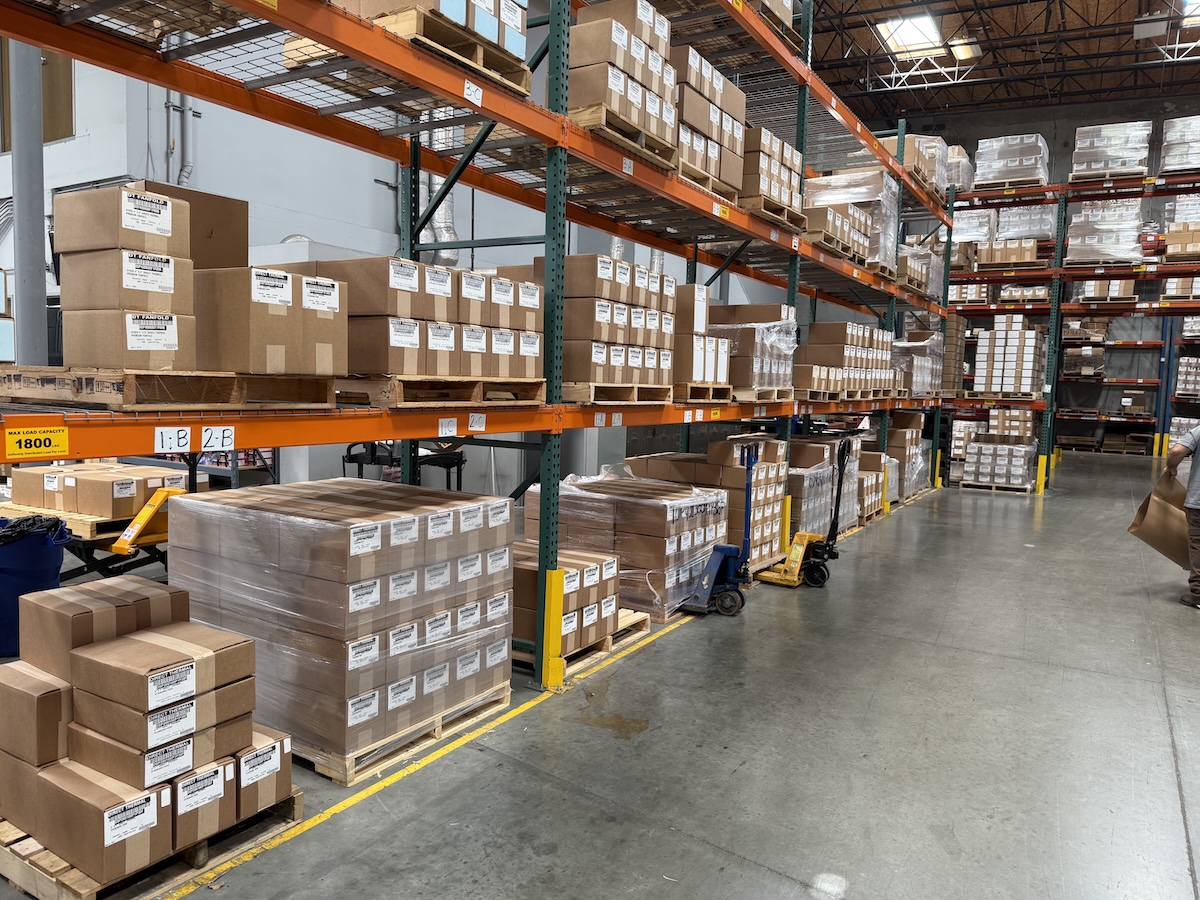
Floor labels and rack labels are vital for managing inventory at scale. They mark each warehouse location and guide employees through aisles efficiently. A clean labeling layout minimizes confusion and keeps traffic organized across warehouse aisles.
These identifiers help staff locate items and confirm accuracy during picking and restocking. Clear rack bay markers and visible pallet codes also improve safety by reducing misplacement or double stacking.
Can Magnetic or Removable Labels Work in My Warehouse?
Yes. Many warehouses prefer magnetic labels or removable labels for flexible storage setups. They attach securely but can be repositioned without damage, making them ideal for rotating inventory zones or temporary placements.
These customizable options simplify reorganizing layouts or seasonal stock changes. A reliable vendor will also offer installation services to help align label placement precisely and test scanner performance after setup.
How Do Asset Tags and Equipment Tracking Fit In?
Labels aren’t only for shelves. Asset tags are used to track tools, machinery, and mobile equipment. A well-structured asset tracking system identifies each item with a unique identifier, making equipment tracking effortless.
Tamper-evident or industrial-grade materials prevent peeling or fading in demanding conditions. For long-term use, highly durable polyester or anodized aluminum labels are designed to withstand the harshest operating settings.
Are QR Codes, Data Matrix, and RFID Changing Warehouse Labeling?
Modern warehouses are adopting advanced identification technology. QR codes, data matrix, and RFID systems increase visibility and speed. Inventory barcode labels make it easy to scan items quickly while new RFID systems read multiple tags at once, improving inventory management in busy facilities.
These technologies streamline scanning and reduce bottlenecks. Whether you manage a small storage area or a large distribution center, smart labeling ensures every warehouse or distribution process remains efficient. These technologies streamline scanning and reduce bottlenecks. Whether you manage a small storage area or a large distribution center, smart labeling ensures every warehouse or distribution process remains efficient. For facilities upgrading their systems, adding RFID Labels can further enhance real-time visibility and asset tracking, especially when paired with barcode-based inventory solutions.
How to Select the Right Warehouse Label Supplier
Choosing the right warehouse label partner ensures consistent quality. Reliable suppliers offer labels that meet specific conditions and handle tough environments without fading or peeling.
Look for companies that use using high-quality materials, provide durable equipment, and understand industrial environments. A trusted supplier helps you find products that are easy to scan, compatible with your WMS, and built for your marking system.
Key Takeaways:
- Every warehouse benefits from a structured marking system that integrates with WMS software.
- Warehouse barcode labels improve accuracy, traceability, and productivity.
- Use durable materials like polyester or anodized aluminum to extend label lifespan.
- Custom printed and custom warehouse labels offer flexibility for any warehouse environment.
- Technologies like QR codes, data matrix, and RFID add depth to modern storage solutions.
- Partnering with an experienced vendor ensures labels allow smooth operations and reliable scanning performance.
Contact DSI Labels at 714-505-1270 to discuss your linerless labeling requirements with our technical experts.